

Introduction:
Snow days can be fun. Kids get a break from school. Parents enjoy a slower morning. But behind the scenes, snow days also come with risks. Slippery roads, freezing temps, and power outages can all turn a fun snow day into a stressful one.
This guide offers easy and effective snow day safety tips for parents and children. Whether you’re staying home or heading outside, these simple precautions can help keep your family safe.
1. Stay Informed About Weather Conditions
Before the snow hits, it’s important to stay updated. Weather can change fast, especially in northern and midwestern states.
Trusted Weather Sources:
Tips:
- Sign up for emergency text alerts.
- Follow your local school district’s closure updates.
- Use a Snow Day Calculator to estimate your area’s risk of cancellation or extreme conditions.
2. Dress Properly for Cold Weather
Kids often rush outside without dressing correctly. Hypothermia and frostbite can happen quickly in cold temperatures.
Recommended Winter Clothing for Children:
| Clothing Item | Material | Purpose |
|---|---|---|
| Base layer | Wool or thermal cotton | Keeps sweat off the skin |
| Insulated jacket | Down or synthetic | Retains body heat |
| Waterproof gloves | Neoprene or insulated | Prevents frostbite |
| Snow boots | Insulated & waterproof | Keeps feet dry and warm |
| Hat & scarf | Fleece or knit | Covers head and neck |

Tip: Always tuck shirts into pants and gloves into sleeves to avoid skin exposure.
3. Prevent Slips and Falls on Ice
One of the most common snow day injuries is slipping on ice. This can cause serious injuries, especially in children and elderly family members.
Safety Steps:
- Sprinkle sand or non-clumping kitty litter on driveways and walkways.
- Wear boots with traction or anti-slip soles.
- Walk like a penguin: take short, flat steps and keep your center of gravity low.
4. Keep Your Home Warm and Safe
Cold homes can be dangerous. Pipes may freeze and burst. Power outages are also common during winter storms.
Checklist to Winter-Proof Your Home:
- Insulate pipes to prevent freezing.
- Keep space heaters away from curtains and furniture.
- Stock up on blankets, flashlights, batteries, and bottled water.
- Check smoke and carbon monoxide detectors.
Tip: Have a backup heat source such as a propane heater or wood stove.
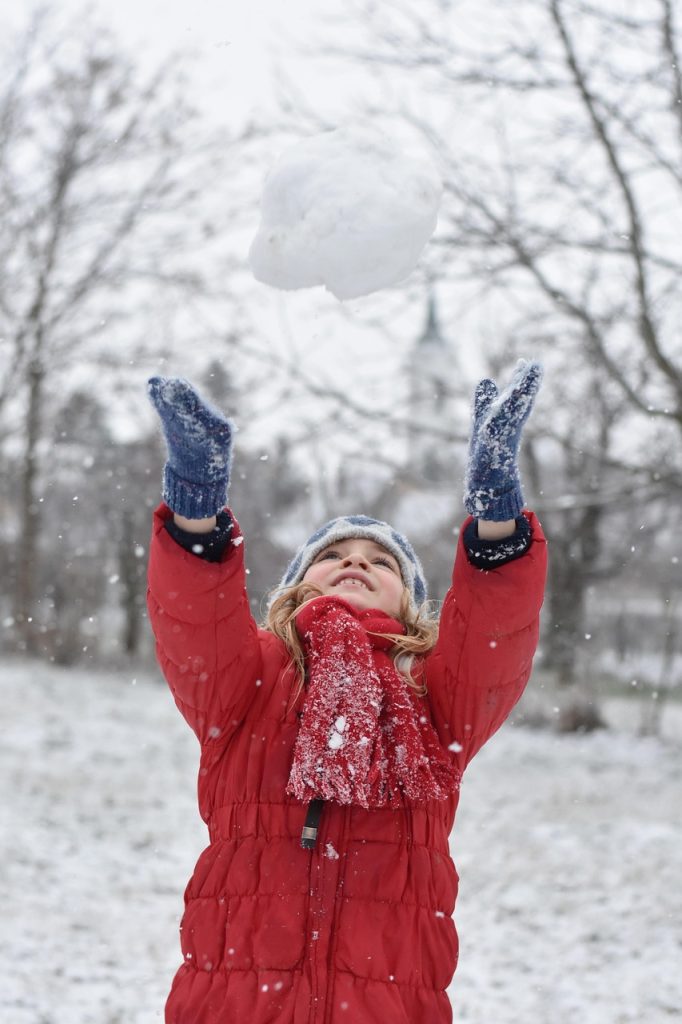
5. Monitor Kids When Playing Outside
Snowball fights and sledding are fun, but accidents can happen quickly.
Outdoor Safety Guidelines:
- Always supervise young children.
- Choose safe sledding spots—avoid streets and steep hills.
- Set time limits to avoid overexposure to cold.
- Keep hot drinks ready indoors to help kids warm up.
6. Prepare a Snow Day Emergency Kit
An emergency kit is essential, especially if a snowstorm leads to power loss or travel delays.
Suggested Snow Day Kit Items:
| Item | Use |
|---|---|
| Flashlights & batteries | Lighting during power outages |
| Extra blankets | Keeps everyone warm in case of no heat |
| First-aid kit | Treats minor injuries |
| Canned food & snacks | Ready-to-eat supplies |
| Water bottles | Hydration during outages |
| Portable charger | Keeps phones powered |
7. Avoid Driving Unless Necessary
Roads during snowstorms can be deadly. Stay off the road if possible.
If You Must Drive:
- Check tire pressure and antifreeze levels.
- Keep your gas tank at least half full.
- Store an emergency kit in your car (including a shovel and jumper cables).
- Drive slowly and increase following distance.
FAQs About Snow Day Safety
1. What temperature is unsafe for kids to play outside?
Temperatures below 20°F with wind chill are generally considered unsafe for extended outdoor play.
2. How do I know if my child has frostbite?
Look for numbness, pale skin, or blisters on fingers, toes, ears, or nose. Move them indoors and warm the skin gently.
3. Can space heaters cause fires?
Yes, if used improperly. Always keep them at least 3 feet away from flammable items and never leave them unattended.
4. What’s a safe way to heat a home during a power outage?
Use approved propane or wood-burning heaters in well-ventilated areas. Never use a gas stove for heating.
5. How long can food stay safe in the fridge during an outage?
Keep fridge doors closed. Food is usually safe for 4 hours in a fridge and 48 hours in a full freezer.
Conclusion
Snow days can be magical for kids and a peaceful break for families. But they also bring safety risks that should not be ignored. From icy sidewalks to freezing temperatures, taking smart precautions ensures your day off doesn’t turn into a trip to the ER.
By following these snow day safety tips for parents and children, you can keep everyone warm, happy, and safe all winter long.